Textured Swimwear Fabric: How to Combine Fashion, Stretch and Shape Retention
Textured Swimwear Fabric: How to Combine Fashion, Stretch and Shape Retention
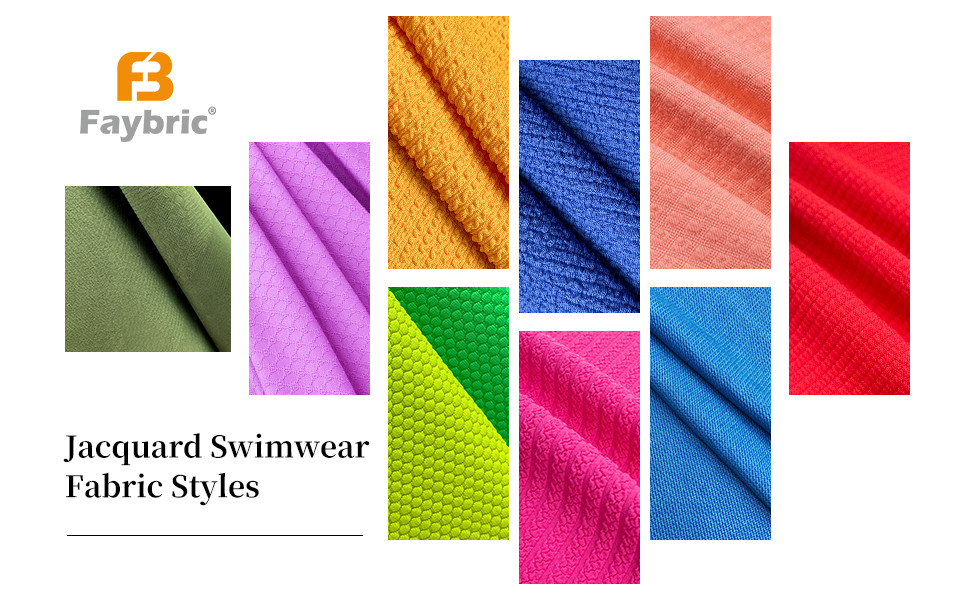
Textured swimwear has become an attractive design direction for brands looking to create distinctive collections beyond traditional smooth fabrics. Ribbed surfaces, subtle raised patterns and dimensional knitted structures can add visual interest while helping a collection stand out in a competitive market.
However, a fashionable surface is only part of the equation. Swimwear fabric must also provide suitable stretch, recovery, comfort and durability in wet conditions.
For swimwear brands and apparel manufacturers, understanding these requirements is essential when developing textured bikinis, one-piece swimsuits and resort collections.
1. What Is Textured Swimwear Fabric?
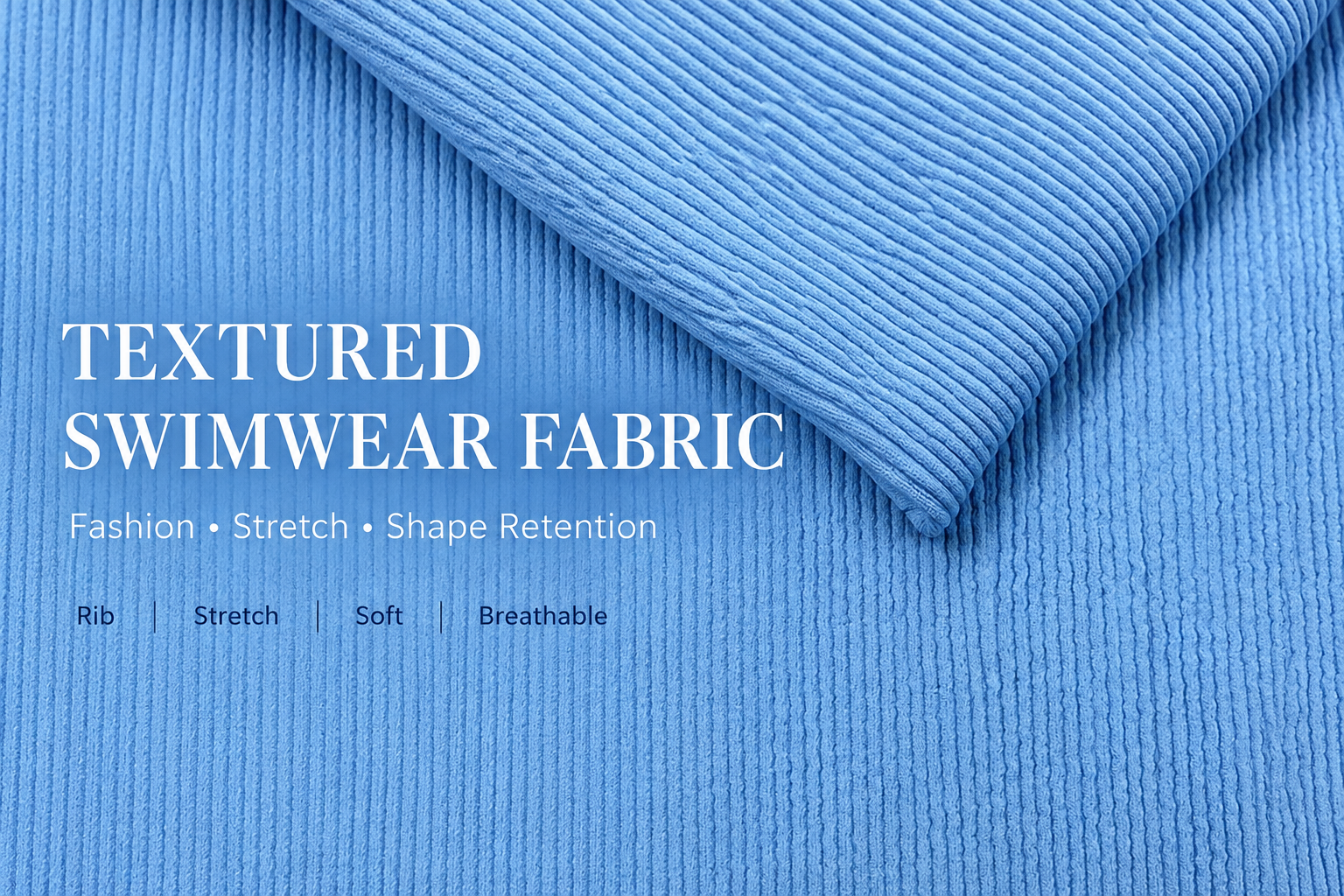
Textured swimwear fabric uses a distinctive surface or knitted construction to create visual depth and a different hand feel.
Common design directions include:
• Ribbed swimwear fabric: Linear ridges create a structured appearance and a fashionable, body-conscious look.
• Raised or dimensional textures: Surface depth adds visual character to minimalist swimwear designs.
• Fine-grain textured fabric: A subtle surface helps create a premium appearance without an overly decorative effect.
The suitability of each construction depends on the intended design, stretch requirements and production method.
2. Balance Texture with Stretch and Recovery
A textured fabric must accommodate the body's movement without losing its intended appearance.
If the construction stretches unevenly, the texture may become distorted. If recovery is insufficient, the garment may loosen around the bust, waist or hips after repeated wear.
During sample development, evaluate:
• Stretch in both directions.
• Recovery after repeated stretching.
• Surface appearance at the intended garment fit.
• Seam behavior and distortion around curved panels.
• Comfort against the skin.
Designers should assess the fabric in a sewn garment, not only as a flat swatch. Gathering, lining, elastic application and pattern cutting can all influence the final result.
3. Consider Wet Opacity and Lining Requirements
A textured surface does not automatically make swimwear opaque.
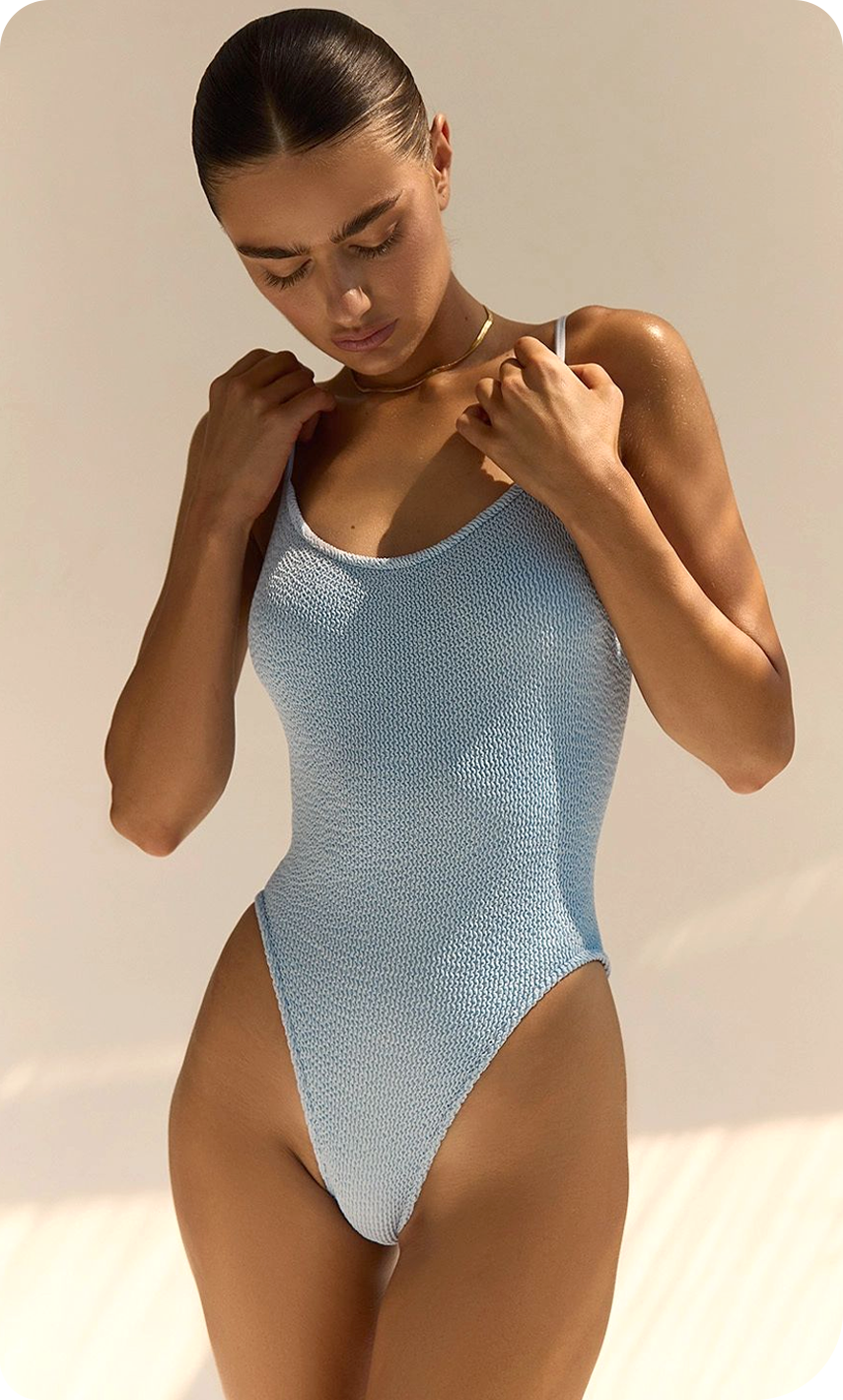
The fabric should be checked in both dry and wet conditions, particularly for light colors and closely fitted designs. Some constructions may require a lining to achieve the desired coverage and support.
When choosing a lining, consider its stretch, weight, color, hand feel and compatibility with the outer fabric. A lining that stretches differently from the face fabric can affect fit and create unwanted tension or wrinkles.
Testing the complete fabric combination is therefore more useful than evaluating each material separately.
4. Match the Fabric to the Swimwear Application
Different product categories place different demands on textured fabrics.
Fashion bikinis: Prioritize surface appearance, comfort, stretch and fit. Ribbed or fine-textured constructions can help create a distinctive collection.
One-piece swimsuits: Pay particular attention to recovery, coverage and how the texture behaves across larger body panels.
Resort swimwear: Soft hand feel, attractive colors and a premium surface may be central to the design direction. Performance requirements should still match the intended use.
Frequent pool-use swimwear: Evaluate chlorine resistance, colorfastness and elastic durability carefully. A fashionable texture alone does not guarantee long-term performance.
For every application, test the actual fabric and color rather than assuming that all fabrics with similar compositions will perform identically.
5. What Should Buyers Confirm Before Bulk Ordering?
A clear technical specification makes it easier to compare fabric samples and maintain production consistency.
Before confirming an order, discuss:
• Fiber composition and elastane content.
• Fabric weight and usable width.
• Stretch and recovery requirements.
• Texture, color and surface appearance.
• Wet opacity and lining compatibility.
• Colorfastness and relevant durability tests.
• Available colors, minimum order quantities and production lead times.
For custom developments, approve a physical reference sample and document the agreed specifications. This helps reduce differences between the development sample and the final production batch.
6. Develop Distinctive Swimwear Collections with Faybric
Faybric offers knitted fabric solutions for swimwear, bikinis and other stretch apparel applications. Its product range includes nylon-spandex options and textured fabric directions suitable for further product development.
With integrated knitting, dyeing, printing and finishing capabilities, Faybric supports buyers looking for coordinated fabric development and customization.
Brands can discuss their preferred surface effect, weight, composition, colors and performance requirements with the team before selecting samples for evaluation.
Conclusion: Make Texture Work Beyond Appearance
Textured swimwear fabric can help brands create a more distinctive visual identity, but successful product development requires more than choosing an attractive surface.
Stretch recovery, wet opacity, lining compatibility, color stability and application-specific durability should all be evaluated before bulk production.
Planning your next swimwear collection? Contact Faybric to explore textured stretch fabrics and request samples suited to your design and performance requirements.